Starting a gym in 2026 is not just about fitness. It is a business. Most gyms fail because of wrong location, high rent, low prices, weak marketing, slow follow-up, and poor retention. This guide gives a clear step-by-step plan for first-time gym owners. It covers choosing the right gym type, testing demand, writing a simple business plan, planning startup and monthly costs, funding, permits, waivers, and insurance. It also explains how to pick a good location, negotiate a safe lease, buy the right equipment, hire staff, set prices, and market your gym. It includes operations, retention, software, and growth tips.
To start a gym in 2026, pick the right gym type first, prove local demand, plan your small gym cost, address the lack of safe gym leases, then build systems for gym marketing, sales, operations and gym retention. A gym wins when it gets leads, converts them fast, and keeps members long enough to profit and grow.
A lot of people think opening a gym is about equipment, a cool logo, or finding a big space and filling it with machines. That is not what makes a gym work. A gym works when it feels easy for real people. It should be easy to join, easy to show up, and easy to know what to do, easy to see progress, and easy to stay. That is how you make the gym better.
In 2026, people still want gyms. In the US alone, fitness facility membership hit a record level in 2024. That is good news, but it also means more choices for members. So a new gym owner has one big job: build a gym that is clear, simple, and consistent.
Most gyms do not fail because the owner does not care. They fail because the owner gets stuck in hard problems too early. They signed a lease that is too expensive. They buy too much equipment before they have members. They price too low to cover costs. They do not follow up with leads fast enough. They do not have a plan to keep members in month one. Then the gym becomes stressful, and stress creates bad choices.
This guide is here to remove that stress. It is written for a first-time gym owner who is excited, but also confused, and wants a simple plan they can follow. Think of it like a starter map. You can move step by step, in the right order, and avoid the traps that make the gym fail.
1. Starting a gym is a business (not just fitness)
A gym survives when it runs like a business with 3 goals: get leads, convert leads, and keep members.
When you start a gym, you are not only coaching. You are running a business that sells results. Your gym can have great workouts, but if the business side is weak, the gym still fails. The mindset shift is simple: fitness is the product, but business systems keep the door open.
The 3 goals of every gym
Every gym needs 3 engines: Lead flow, conversion, and retention.
First, you need leads. A lead is someone who might join. Leads can come from Google, ads, referrals, and walk-ins. Next, you need to convert these leads. Convert means the lead becomes a paying member, and that needs fast follow-up and a clear offer. Finally, you must keep members. Retention means members stay, staying creates profit, and profit creates growth.
A lot of gyms focus only on getting leads. But the easiest growth often comes from better retention. When members stay longer, your gym becomes stable. Stable gyms can invest in better staff, better cleaning, better service, and better systems.
Why most gyms fail
Most gyms fail because of a weak location, high fixed costs, weak pricing, weak follow-up and weak retention.
Most gym failures look simple when you break them down. Some of the common failure reasons include: The location is wrong, so the right people are not nearby, or access and parking feel annoying. Costs are too high, so rent and payroll feel heavy from day one, and every slow week becomes scary. Pricing is too low, so the owner works too much and still struggles. Marketing has no system, so results are random and inconsistent. Follow-up is slow, so leads go cold and join someone else. Onboarding is weak, so new members feel lost and quit before the habit forms.
This guide fixes those problems in the right order, because order matters.
2. Choose your gym type (model first)
Pick a gym model that matches your local demand, your budget, and what you can run well every day.
Your gym type is your business model. It decides your space, staffing, equipment, and pricing. If you pick the wrong model, you fight your business every month. If you pick the right model, your gym feels easier to run.
7 gym models
These 7 gym models cover most gym people opened in 2026.
1. PT studio (1-on-1 coaching)
A PT studio is mostly personal training. It is usually 1-on-1 coaching. You can start in a smaller space. You also need fewer members to hit your monthly goals.
But you must sell high value and deliver high service. This model fits owners who are strong coaches and good with people.
2. Small group training
Small group training is coached training in groups. Most gyms run groups of 4-12 people. This is one of the best beginners models.
You can charge more than for a basic gym. And you can still serve more people than 1-on-1.
It works best when you have:
- Clear training programs
- Strong coaching rules
- A friendly community
This also helps gym retention.
3. Functional training/Cross-fit style gym
This model uses group training with:
- Skill work
- Strength training
- Conditioning
It can work very well when coaching is of high quality. But beginners can feel nervous. So you need a strong onboarding plan and clear safety rules. If you do not control form and coaching, injuries rise. And trust drops.
- 24/7 access gym
4. 24/7 access gym
A 24/7 gym sells convenience. Members pay for access anytime.
It can run with fewer staff hours. But it needs strong systems like:
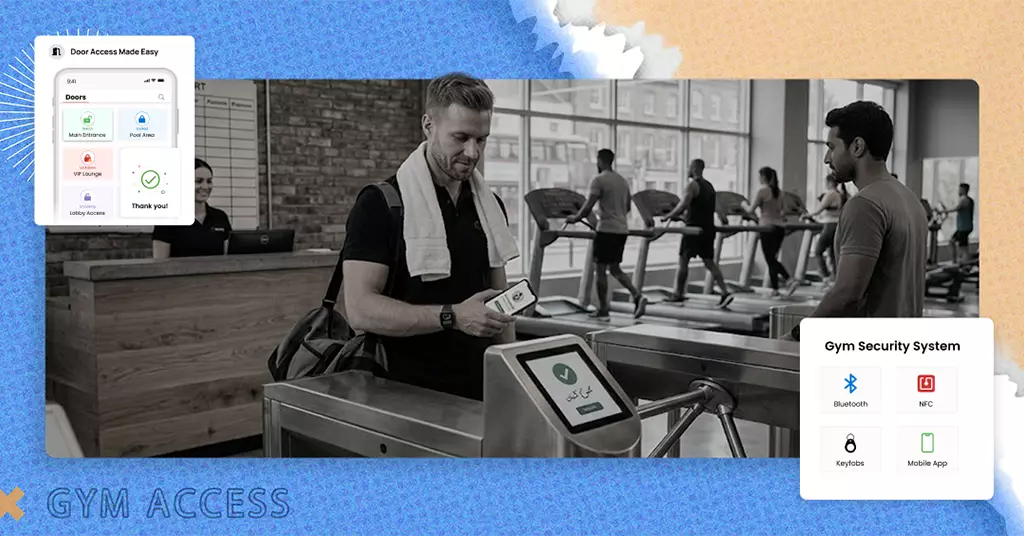
- Door access control
- Cameras
- Clear rules
It also often needs more equipment variety. That is because members train alone and want choices.
5. Boutique studio (Boxing, Yoga, Pilates, Cycle)
Boutique studios sell one clear experience. They are usually class-based. They can charge a premium price. But the experience must stay consistent.
You must deliver:
- The vibe
- Coaching quality
- Schedule reliability
Some boutique gyms have higher setup costs. For example, Pilates may need special equipment.
6. Big commercial gym
A big commercial gym is high volume. It usually needs:
- A big space
- A big equipment budget
- More staff
This model can work. But it is risky for first-time owners. Monthly costs can be heavy. And competition is often strong.
7. Hybrid gym (In-person + online)
A hybrid gym in-person training with online support, like:
- Habit tracking
- Workouts
- Check-ins
- Nutrition guidance
A hybrid can improve retention. Members stay connected when life gets busy. It can also add revenue without needing more space.
Simple rule to pick your model
Pick the model you can run well, with your budget, for at least 12 months.
Ask yourself a few clear questions. Do you want to coach daily or manage a facility? Do you want fewer high-paying members or many low-paying members? Does your area pay for coaching, or do people shop for low prices? Can you handle complex operations, or do you need a simple setup first?
If you feel unsure, a safe path is starting with a small group or PT, proving demand, building systems, expanding space and offering later.
What to avoid in 2026
Avoid opening too big, buying too much equipment, and offering too many services early.
Avoid the common traps. Opening a huge space just to look legit often creates rent pressure. Buying every machine before you have members ties up cash and creates clutter. Offering too many membership options confuses people, and confused people do nothing. Waiting to set up systems until later often turns into chaos. Start simple, simple is not small. Simple is smart.
3. How to know people will pay for your gym (market research)
Validate demand before you sign a lease by testing local interest and checking what competitors already sell.
Market research is not fancy. It is one simple question: Will enough people pay for your gym, at your price, in your area? If you cannot answer that, do not sign a lease. Prove demand first.
Demand test
A strong demand test is 30-100 local leads plus a few paid presales before you open.
Start with a landing page. One page, one offer, one call to action. Collect leads with name, phone, email, and goal. Run a small test with local ads or community posts, not to go viral, but to see if real people care.
Then do a paid test. Sell a founding offer or a 6-week program before opening. Paid is proof. Likes are not proof. If people pay before you open, you are on the right track. If nobody pays, change your offer or your location plan.
How to research your area
Use Google Maps, reviews, pricing, and schedules to understand what people already buy.
Start with Google Maps and search “gym,” “fitness,” “personal training,” and your niche. Make a list of competitors within 10-15 minutes. Then check four things: reviews, pricing clues, schedules, and positioning.
Read 1-star and 3-star reviews first, because they show real pain points. Look for repeated problems like dirty bathrooms, packed classes, rude staff, bad parking, and billing issues. Check pricing clues. Some gyms show prices, and some do not. So look at class packs, intro offers, and review comments. Study schedules because schedules show demand. If morning and evening slots are packed, demand is real. If schedules are thin, ask why. Is demand weak, or is service weak? Finally, check positioning. What do they claim to be best at? Strength, weight loss, community, or convenience?
This research helps you avoid copying. Coping creates “same as everyone” gyms, and the same gym struggles.
How to find your “one clear difference.”
Your gym needs one clear reason to choose you, said in one simple line.
A real difference is not “best trainers.” Everyone says that. A real difference sounds like: “We help busy adults get strong in 45 minutes, “ or “We coach beginners who feel nervous in gyms,” or “We help adults over 40 reduce pain and build strength,” or “We track progress every month so you can see results.” One clear difference helps gym owners with marketing and gym retention because members know what they joined for, and they can tell friends in one sentence.
4. The gym business plan (simple one-page plan)
A one-page gym business plan is better than a plan because you will actually use it.
A gym business plan is not just for banks. It is your decision guide. When you feel stuck, the plan tells you what matters and stops random spending. The SBA calls the business plan the foundation of your business. That does not mean it must be long. It means it must be clear.
The 1-page plan structure
Your one-page plan needs six parts: who, offer, pricing, costs, marketing, and retention.
Start by writing who you help, in a specific way, like “Adults 25-45 within 10 minutes.” Next, write what you sell, which should be your main membership offer and one upgrade offer. Then write pricing, including your core price and your best plan price. After that, list costs, including rent, payroll, utilities, insurance, software, and marketing.
Then choose marketing, meaning your top 2-3 lead sources and the weekly actions you will repeat. Finally, write retention, which includes your 30-day onboarding plan and your progress tracking plan. Keep this on one page and update it every month in year one.
Revenue streams (what gyms really sell)
Start with 1-2 revenue streams, then add more once operations are stable.
Common revenue streams include memberships, personal training, and small group coaching, programs that run for 6-8 weeks, small retail add-ons, and corporate or school partnerships. A beginner mistake is adding too many streams early. It makes your schedule messy, and messy gyms lose members.
Expense categories
Most gym expenses are rent, payroll, equipment, utilities, marketing, insurance, and admin.
You should plan for rent and building costs, payroll, and contractor pay, utilities like electric and water, marketing spend, software tools, insurance, cleaning and supplies, repairs and maintenance, and payment processing fees. When you see all expenses clearly, pricing becomes easier, and your gym startup costs become more real.
5. Gym startup costs in 2026
Gym startup costs depend on your gym type, space condition, and equipment plan. Many guides place typical ranges for independent gyms in the tens of thousands, up to a few hundred.
This section helps you plan costs like a calm business owner, not like someone guessing. You need two cost views: one-time costs to open and monthly costs to survive. Both matter.
Cost ranges by model
Coaching gyms usually cost less to start than full-access gyms because they need less space and less equipment.
PT studios tend to have lower costs with smaller spaces and premium pricing. Small group gyms are often medium cost with premium pricing. Boutique gyms can vary a lot depending on niche and equipment. 24/7 access gyms are usually higher cost because they need systems and equipment. Big commercial gyms often have the highest cost and the highest monthly pressure. Do not chase “Average costs.” Plan your own numbers based on your city and your lease.
One-time costs
One-time costs are the setup costs you pay before your first member shows up.
One-time costs often include lease deposits and fees, because many landlords ask for deposits and sometimes first and last month’s rent, too. Build-out costs can be high because built-out means making the space usable with flooring, paint, lighting, walls, bathrooms, and signage. Equipment costs include not only weights, but also storage, mats, cleaning tools, and small items.
Permits and inspections can cost both time and money, so plan for delays as well. Brand and launch setup includes your website, photos, signs, local ads, and a presale offer. Gyms that open quietly often struggle, so launch marketing is part of the startup cost.
Monthly costs
Monthly costs are what you pay every month, even if sales are slow.
Common monthly costs include rent, payroll, utilities, insurance, gym management software, cleaning supplies, marketing, equipment maintenance, and music licensing in some places. These costs decide your minimum membership target, so track them closely.
Hidden costs gym owners forget
Hidden costs are small costs that show up later and break your budget.
Hidden costs often include HVAC repairs, extra electric bills in hot months, sound control if neighbors complain, floor repairs from heavy use, equipment repairs and parts, credit card processing fees, refunds and chargebacks, extra trash pickup, staff training pickup, staff training time, and legal reviews of contracts. Hidden costs are not rare. They are normal. Plan for them early.
Cash reserve rule (3-6 months)
Keep 3-6 months of basic expenses in cash so one surprise does not delay your gym.
This is your safety net. If your basic monthly expenses are $12,000, aim for $36,000 to $72,000 in reserve. If that feels impossible, lower fixed costs by choosing a smaller space, starting with fewer staff, and leasing less equipment. A gym that survives year one has a much higher chance of growing, so your first goal is survival quality.
6. How to fund your gym
The best funding plan keeps monthly payments low enough to survive while you build membership.
Funding is not just getting money. It is choosing what risk you can handle. If monthly payments are heavy, you will panic. Panicked owners discount too much and cut service, and that hurts retention.
Funding options
Most first-time owners use savings, loans, small investors, equipment leasing, or a start-small path.
Savings are simple and clean because there is no monthly payment, but do not empty your life savings and always keep a personal buffer. A bank loan can speed up opening and build-out, but it creates a monthly payment, so plan worst-case months and make sure you can still pay. Investors give you cash, but you share control, so only do this with clear written terms.
Equipment leasing lets you pay monthly instead of buying everything upfront, which protects cash early but adds a monthly cost. Starting small first can mean renting hours in a studio, training in a park with a program, or subleasing part of a space, and it can be the safest path because it proves demand before a full lease.
Best funding option for beginners
Most beginners do best with lower fixed costs and a smaller start, even if growth is slower.
A smaller gym with stable profit can expand. A big gym with heavy payments can crash. If you feel unsure, pick the safer plan. Your goal is not to look big. Your goal is to stay open and deliver results.
7. Legal setup, licenses, and permits
To start a gym legally, you usually need business registration, local permits, clear waivers and contracts, and safety compliance. Rules change by country and city.
This section is not legal advice. It is a beginner’s guide, so you know what to ask for. Always check your local rules because city and building rules can be different even in the same country.
What you must do
Register the business, confirm permits, use waivers and contracts, and carry insurance.
That is the core. Now make it practical.
Business registration basics
Separate your business from your personal life with a proper setup and clean records.
Basic steps include picking a business structure, registering your business name, getting tax IDs if needed, opening a business bank account, and setting up simple bookkeeping. Bookkeeping means tracking money in and out, and it helps you see if your gym is truly profitable.
Gym permits and licenses (simple list)
Many gyms need occupancy and safety approvals, plus building permits if you change the space.
Common approvals can include occupancy rules, fire safety checks, building permits if you change walls, showers, or plumbing, sign permits for outdoor signage, and music licenses if you play music in public.
Some areas also require health and safety checks, and some buildings have strict rules on noise and weight. Do not guess. Ask the city office, council, or local authority.
Waivers and contracts
Waivers reduce risk. Contracts reduce money fights and cancel issues.
A waiver is a risk form. It tells members that training has risks and they accept them. A contract should clearly explain pricing and billing dates, autopay rules, cancel rules, freeze rules, late payment rules, guest rules, and a simple code of conduct. Keep contracts simple.
If members cannot understand it, they will argue later.
Country and city rules note (UK/US/global)
Always follow local rules because gym requirements vary by city, state, and country.
If you are in the US, the rules change by state and city. If you are in the United Kingdom, the UK compliance rules can change from council to council. If you are elsewhere, local rules still win. Treat this section as your question list, then confirm answers locally.
8. Gym insurance and safety
Gym insurance protects you from claims, accidents, and losses that can destroy your business.
A gym has risks. People lift weights, sweat, slip, and make mistakes. Insurance does not remove risk. It protects you when something goes wrong.
Why insurance matters
One serious claim can cost more than a year of profit, so insurance helps keep your gym alive.
Insurance protects your business, your staff, and your future. It also helps you sign a lease, because many landlords require it.
Types of gym insurance
Most gyms need general liability and professional liability, and many also need property coverage and workers’ compensation, depending on staff and local law (The Hartford).
General liability covers accidents in your space, like a slip or a falling object. Professional liability covers claims about coaching services, like a member blaming training advice. Property coverage can help cover equipment and property loss from things like fire or theft.
Workers’ compensation is often required if you have employees and helps cover work-related injuries. Ask an insurance broker who understands gyms and tell them your gym type, class style, and staff setup.
Simple gym safety system
A basic safety system includes daily checks, clear rules, and fast incident notes.
Run a walk-through before peak hours and check floors, exits, bathrooms, and equipment. Set clear training rules like no unsafe lifting, no blocking walkways, and re-rack weights.
Train staff to coach safely because safety is part of service. Keep an incident log and write what happened the same day in simple words. Safety also supports retention because members stay where they feel safe and cared for.
9. How to choose the best gym location
The best gym location has the right people nearby, easy access, safe parking, and rent that still lets you profit.
Your gym location can make marketing easier or make marketing feel impossible, so go deep here. This is not a “pick what looks nice” decision.
Best location traits
A strong gym location has demand, easy access, good visibility, and a layout that fits your gym model.
Look for people who already spend on fitness, a 5–15 minute travel zone for your ideal member, parking or transport that feels easy, a safe area at your busiest hours, a space layout that matches your training style, and rent that does not force you to underprice.
Step-by-step location picking process
Use a process so you do not fall in love with the wrong space.
Start by setting your travel radius because most gyms win by being close. Define your ideal member clearly, including their age, budget, schedule, and goals. Pick 3–5 target zones and compare zones first instead of hunting one space.
Check competitors in each zone to learn what sells. Walk the area at peak times to check traffic and safety. Then run a lead test for the zone, because if the zone does not produce leads, you should not sign a lease there.
Demographics that matter
Focus on schedule, spending power, and lifestyle, not just population size.
Ask questions like whether there are offices nearby for morning and lunch demand, whether there are families nearby for evening demand, whether the area is growing or shrinking, and whether people pay for coaching or shop for low prices. You can win in a small area with the right people, and you can lose in a big area with the wrong people.
Parking and transport
Bad access kills conversion and hurts retention.
Check how many parking spots exist, whether parking is free or paid, whether it is safe in the dark, whether entry is easy from the road, whether public transport is nearby, and whether people can walk safely. Members are not only buying workouts. They are buying convenience.
Layout and building rules
A gym space must handle movement, airflow, sound, and weight safely.
Check ceilings because low ceilings can limit rigs and ventilation. Check bathrooms and showers because even small gyms need clean bathrooms, and dirty bathrooms ruin reviews fast. Check ventilation and cooling because hot gyms feel harder to train in, and cooling problems create complaints.
Check the floor load, which means how much weight the floor can safely hold, because it matters for heavy lifting. Check the sound because dropping weights and music can create neighbor complaints that become lease problems.
Check columns and layout shape because too many columns can block training flow, and odd shapes waste space. Check storage space because storage keeps the gym clean and safe, and clutter makes the gym feel cheap.
Red flags to avoid
Avoid spaces that force costly fixes, block your training style, or create constant conflict.
Red flags include a landlord who avoids putting permissions in writing, noise rules that block your class style, weak cooling with no repair plan, unsafe parking areas, no loading access for equipment delivery, and big rent increases that can hit fast. A good gym location is a growth tool.
A bad gym location is a daily fight.
10. Gym lease and rent (don’t get trapped)
A gym lease should protect you from rent shocks, repair surprises, noise limits, and bad exit terms.
A gym lease is a long-term promise, so do not treat it like a simple monthly bill. The lease decides what you can do in the space and what happens when problems show up.
What to check
Check noise rules, repairs, HVAC, signage, rent increases, and exit terms before signing. If you miss these, you can get trapped.
Lease clauses gyms must care about
These clauses decide if your gym can run normally.
Noise rules should clearly allow your class style, music, and training methods. Repairs should clearly state who pays for plumbing, roof leaks, and big building systems. HVAC should be clear because gyms need strong cooling, especially in peak hours. Signage must be allowed so people can find you. Rent increases should be predictable and ideally capped.
CAM charges should be explained because CAM is an extra building fee for shared areas, and you need to know what is included and how it is calculated. Exit terms matter because you may need to sublease or exit early with clear terms.
The use clause must clearly allow a fitness gym, so do not accept vague wording.
Negotiation tips (simple and effective)
You can often negotiate rent-free time, repair terms, and better exit options.
Common wins include rent-free build-out time, a cap on annual rent increases, clear repair responsibility, permission for signage and gym use in writing, and sublease rights.
If you can, have a lease lawyer review it because one review can save you years of stress.
11. Gym equipment (what to buy first)
Buy equipment that supports your main offer first. Skip “nice-to-have” items until you have steady members.
Equipment matters, but it is not the full product. The real product is the result people get and how they feel in your gym, so buy equipment that helps you deliver results safely and fits your space and model.
Equipment list by gym model
Each model has a core kit that covers most needs.
For a PT studio, a core kit includes a rack, bench, adjustable dumbbells, barbells, plates, bands, and mats. Add a cable station only if you will use it daily.
For small group training, you need more racks, more bars, more plates, kettlebells, benches, and timers, and storage matters more because many people train at once. For functional training, you may need rigs, bumper plates, rowers or bikes, boxes, rings, ropes, and sleds, plus durable flooring and clear training lanes.
For a 24/7 access gym, you often need a mix of machines, free weights, and cardio, plus access control and security tools. For boutique studios, the kit depends on the niche, where boxing needs bags and floor space, yoga needs clean mats and a calm layout, and Pilates may need special equipment, which changes cost planning.
Buy new vs used
Used equipment can save money, but only if it is safe and reliable.
Used is often great for plates, dumbbells, kettlebells, racks and benches if solid, and storage items. Be careful with old cardio machines, complex machines with hidden wear, and anything with missing parts. Always test before buying and plan a repair budget.
What NOT to buy early
Do not buy equipment that does not help you deliver your main service.
Common waste buys include too many cardio machines early, fancy machines nobody uses, recovery tools before demand is proven, and extra items that eat space and collect dust. A simple rule helps: if it does not help your core offer, delay it.
12. Hiring staff and trainers
Hire slowly, set standards early, and train staff so service stays consistent.
A gym is a people business. Even a 24/7 gym depends on people for trust and service. Hiring is not just filling shifts. It is building your culture.
Who do you need first?
Most new gyms start with the owner plus one support role.
Early roles often include a coach or assistant coach if you run many sessions, a part-time front desk role if you need coverage, and a cleaner, even if only a few hours each week. If you skip cleaning, members notice, and reviews suffer.
Employee vs contractor (simple)
An employee follows your schedule and rules. A contractor works more independently.
Rules vary by country and city, so confirm local law before choosing. Do not guess because a wrong setup can lead to fines.
Pay models (simple and fair)
Pay models should reward quality and keep service stable.
Common pay models include hourly pay for front desk and support roles, per-session pay for personal training, per-class pay for group coaches, and simple bonuses for retention or reviews. Keep pay rules clear because confusing pay rules create conflict.
Staff mistakes to avoid
The biggest staff mistakes are hiring too fast, skipping training, and having no standards.
Avoid hiring friends who are not professional, skipping staff onboarding, having no coaching standards, having no cleaning standards, and having no follow-up standards for leads. Write SOPs early because SOPs protect quality as you grow.
13. Gym pricing (how much to charge)
Pricing should cover costs and match value. If you underprice, you will struggle even with lots of members.
Pricing feels emotional for many new owners, but pricing is business math. Your price must cover monthly costs and leave profit for growth and safety.
Pricing depends on value + costs
Price is based on what members get and what your gym must pay each month.
If you offer coaching, tracking, and support, you can charge more. If you sell basic access, you charge less but need more members. Low price is not a strategy by itself, and it often becomes a trap.
5 pricing models
Most gyms use one core model plus one upgrade.
Common models include monthly membership, tiered membership, class packs, program pricing for 6–8 weeks, and coaching memberships that include training plus tracking and check-ins. Pick one main model, then add one clear upgrade.
Simple pricing formula
Average price needed = (monthly costs + profit goal) ÷ expected members.
For example, if monthly costs are 18,000 and your profit goal is 3,000, your total needed is 21,000. If you expect 140 members, you need an average of 150 per member. This does not mean every plan is 150. It means your average revenue must be near that.
Biggest pricing mistake
The biggest pricing mistake is charging too little and hoping volume saves you.
Volume creates crowding and stress. Stress lowers service. Lower service lowers retention. Price for quality, then deliver quality.
14. Gym marketing that works (Leads, Sales, Retention)
Gym marketing works when you build a system:
Attention → Lead → Follow-up → Visit → Close → Onboarding → Retention.
Gym marketing is not just ads. It is the full journey from stranger to long-term member. If you only focus on getting seen, you miss the real work, which is converting and keeping.
Best channels in 2026
For most gyms, the best channels are Google Business Profile, local SEO, paid ads, referrals, partnerships, and social media for trust.
- Google Business Profile helps people find your gym on Maps. Google says local results are based on relevance, distance, and prominence (Google Help), so you want a profile that is complete, active, and trusted
- Local SEO means your website helps you rank for local searches like “gym near me” and “personal training in [city].”
- Paid ads work best when you promote one clear offer, not a vague “join now.”
- Referrals are often the cheapest leads, but you must earn them with good service. Partnerships with physios, clinics, sports clubs, salons, schools, and offices can create steady leads
Social media builds trust and awareness, but you should not rely on it alone.
Follow-up speed (why it matters)
Fast follow-up increases conversions because leads lose interest quickly.
If someone asks today and you reply tomorrow, you lose them. Speed is a real advantage, and this is where a gym CRM matters because it tracks leads and reminds you to follow up.
Simple sales process (clear, not pushy)
Ask goals, explain the plan, give a clear option, and book a start date.
A simple flow is to ask what they want, ask what stopped them before, explain how you help in simple words, show the best option for their goal, and book their first session or start date. Clarity sells. Pressure is not needed.
15. Presale and grand opening plan
Presale means selling memberships before you open, so you start with cash, proof, and momentum.
Presale reduces risk and builds energy before opening day.
What presale means
Presale is when people pay before opening day for a clear offer with a clear start date.
Presale can include founding memberships with limited spots, a 6-week kickstart program, or early access packs. Keep it simple and limited because unlimited discounts weaken your brand.
Presale offers that work
Strong presale offers reward early action without making your gym look cheap.
Examples include a founding rate for the first 50 members, an offer that includes onboarding and progress check-ins, or a limited-sports 6-week program with coaching. Always set terms in writing and set a clear start date.
30-day pre-launch timeline
The last 30 days should focus on lead capture, tours, follow-up, and closing founding members.
Week 1 is launching your page, running lead ads, and doing local outreach. Week 2 is tours, trials, daily follow-up, and proof content.
Week 3 is an urgency and referral push. Week 4 is staff training, cleaning, onboarding setup, and schedule final. The goal is simple: open with a base of paying members.
16. Gym operation (daily systems)
Great gyms win with daily systems, not working harder.
Operations is what members feel every day. Cleanliness, scheduling, communication, and service all live here. When operations are smooth, trust grows, and trust improves retention and referrals.
Daily operations checklist
Daily ops should cover safety, cleanliness, service, and follow-up.
Start each day with a short walk-through and check floors, exits, bathrooms, and clutter. Reset the space before peak times because a tidy gym feels premium.
Do follow-up blocks every day because even 30 minutes daily is powerful. Check on new members weekly because small check-ins reduce cancellations.
SOPs (one simple line)
SOP means a written step-by-step guide for a task.
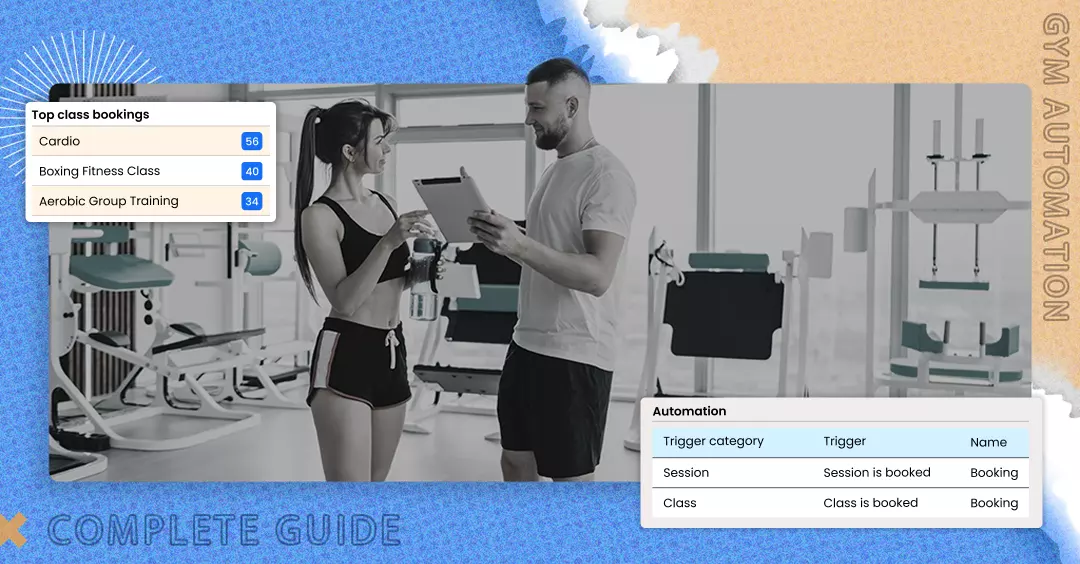
SOPs reduce mistakes and stress. They help staff do things the same way. Write SOPs for opening and closing, cleaning standards, lead follow-up, new member onboarding, freezes and cancellations, and incident handling.
The 3 systems you need
You need a sales system, a service system, and a retention system.
Your sales system brings leads and closes memberships. Your service system delivers great sessions and a clean gym. Your retention system keeps members through onboarding and progress. If one is weak, the gym feels unstable. Stable gyms feel calm and professional.
17. Gym management software matters from day one
Gym management software keeps billing, bookings, check-ins, waivers, lead tracking, and reporting in one place, so your gym stays organized from the start.
If you try to run your gym with spreadsheets and DMs, you will lose time and miss money. Software is not extra. It is part of running a modern gym.
What software solves
Software solves billing, scheduling, check-ins, waivers, lead tracking, follow-up, and reporting.
It reduces mistakes and makes your gym feel professional.
What happens without software
Without software, you get missed payments, missed leads, booking confusion, and unclear numbers.
You see problems like a member saying they already paid, but you cannot prove it, fast, a lead messaging you and nobody replying, classes getting overbooked, waivers missing when you need them, and you not knowing churn, attendance, or conversion rates. These problems add stress daily, and stress becomes burnout.
Key features to compare in gym management software
When you compare gym management features, look for billing, scheduling, check-in, waivers, gym CRM, automation, reports, staff access, and multi-location support.
- Billing and autopay reduce late payments and awkward money talks
- Scheduling and bookings help members book easily and help staff run clean schedules
- Check-in improves member experience and tracks attendance
- Digital waivers save time and keep records organized
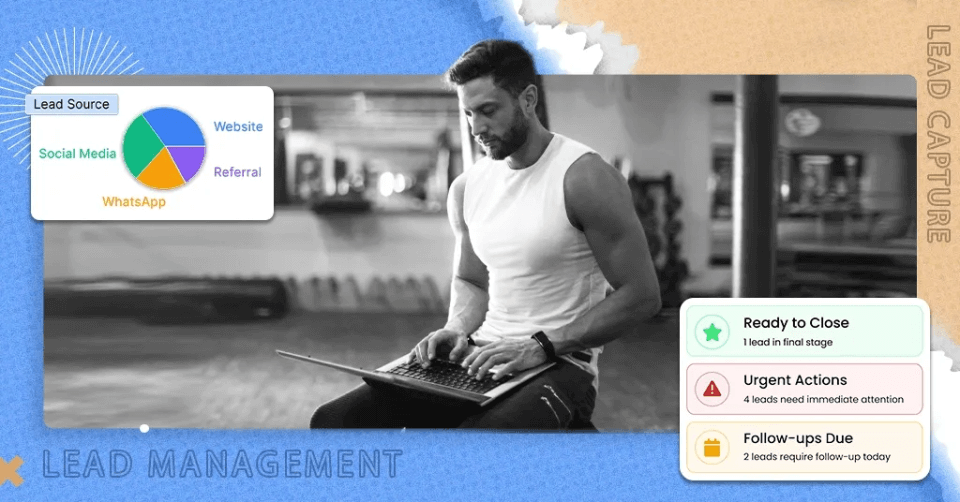
- Lead tracking and a gym CRM help you track conversations and next steps
- Email and SMS follow-up automation keeps leads warm and reduces missed visits
- Reports give you basics like revenue, churn, attendance, and lead conversion
- Staff permissions protect data and reduce errors
- Multi-location support matters if you plan to open a second location
How software helps you grow faster
Software helps you grow by improving speed, consistency, and decision-making.
You follow-up faster, so you close more leads. You track attendance, so you spot churn early. You see reports, so you make smarter decisions choices. When systems are already built, growth is easier, and that is how you expand without chaos.
18. Retention: How to keep members longer
Retention comes from a strong first month, simple progress tracking, and a gym culture that feels welcoming.
Most people quit because they feel lost or they feel they are not improving. So your retention job is simple: help members feel safe, guided, and progressing.
The 30-day onboarding plan
The first 30 days should guide members step by step so they build a habit.
- Day 1 should include a welcome and a tour
- Week 1 should teach the basics and reduce fear
- Week 2 should track a small win
- Week 3 should build a connection with staff and members
- Week 4 should review progress and set a new goal
This makes members feel supported, and supported members stay longer.
Progress tracking ideas
Track simple things members can understand fast.
Track attendance, a few safe strength markers, mobility wins, energy or sleep scores, and simple habit goals like steps or water. Keep tracking simple because simple tracking gets done.
Simple community-building ideas
Community is built through small daily habits, not big events.
Greet members by name, welcome new members publicly, celebrate progress weekly, run a simple monthly challenge, and create small groups that train together. People stay where they feel seen.
19. Mistakes that make gyms fail
Gyms fail when fixed costs are too high, and systems are weak. This is your failure shield. Read it and avoid these traps.
- Open too big, too early
- Pay heavy rent that kills cash flow
- No cash reserve for slo months
- Choose a weak location
- Sign a bad lease
- Buy too much equipment upfront
- Underprice and hope volume saves them
- No clear marketing system
- Slow follow-up leads
- No sales process for tours and trails
- No onboarding plan
- Don’t track progress
- Weak service standards + dirty spaces
- Hire badly and skip training
- Track no numbers and guess decisions
- Run without gym management software
You do not need perfection. You need basics done well, every week.
20. Start a gym in 90 days (Launch plan)
You can start a gym in 90 days if you keep the model simple and follow the right order.
Build-outs can take longer if the space needs major changes, but the sequence still matters.
Days 1-15: Plan + research
Choose a model, validate demand, map costs, and write your one-page plan.
In the first 15 days, pick your gym type, define your ideal member, research competitors, run a lead test, draft your one-page climbing gym business plan, and estimate one-time and monthly costs.
Days 16-35: Location + legal +funding
Shortlist spaces, negotiate key lease terms, start legal setup, and confirm funding.
During this stage, tour spaces with a checklist, check layout and noise risks, negotiate lease basics and get gym use in writing. Start a business registration, confirm permits locally, and get insurance quotes.
Days 36-60: Build-out + equipment + hiring
Build the space, buy core equipment, hire core staff, and set standards.
Finalize your floor plan and storage plan, order core equipment first, set up access tools if needed, hire and train staff, write SOPs, and set up gym management software early.
Days 61-90: Marketing + presale + launch
Run presale, book tours daily, follow up fast, and launch with strong onboarding.
Push one clear presale offer, book tours and trials every day, use your gym CRM to follow up fast, train fast onboarding and service, and launch with a clean schedule and clear rules.
21. Bonus: When to open a second location
Open a second location only when gyms one runs well without you doing everything. A second gym location multiplies everything. Good systems multiply well. Bad systems multiply stress.
Sign that you are ready
You are ready when profit is stable, retention is solid, and staff can run daily operations.
Strong signs include stable profit from 6-12 months, predictable lead flow, low churn for your gym model, a manager or lead coach who runs the floor, and peak hours that are near capacity.
Signs you are not ready
You are not ready if gym one still depends on your daily hero effort.
Warning signs include tight cash, you being the only closer, service dropping when you are away, high staff turnover, and weak retention. Fix the gym first, then expand.
Why multi-location software matters
Multi-location software keeps billing, reporting, staff roles, and member data organized across sites.
Without it, your business becomes messy fast, and messay business lose money. If location two is your goal, plan systems now because it saves you from switching later.
22. Start a gym checklist
Use this checklist to confirm you did the basics before opening.
- Choose your gym model and ideal member
- Validate demand with leads and paid presales
- Write your one-page plan
- Map one-time and monthly costs
- Choose funding and protect a cash reserve
- Finish legal setup and confirm permits
- Set waivers, contracts, and insurance
- Pick a strong location and negotiate a safe lease
- Buy only core equipment first
- Hire and train staff using SOPs
- Set pricing based on value and costs
- Build marketing as a weekly system
- Use gym management software and a gym CRM from day one
- Build retention with onboarding and progress tracking
FAQs about starting a gym
1) How much does it cost to start a gym?
It depends on your gym type and location, but many estimates place it from tens of thousands to a few hundred thousand for independent gyms (wholesale.rdxsports.com).
2) Can I start a gym with no money?
It is very hard, but you can start small by renting space, running small groups, and using presales to fund growth.
3) Is owning a gym profitable?
It can be profitable if pricing, rent, retention, and systems are strong. Profit depends more on operations than “how busy it looks.”
4) What is the cheapest gym model?
A PT studio or small group training gym is often cheaper because you can start in less space with less equipment.
5) What permits do I need to open a gym?
Many gyms need local occupancy and fire safety approvals, and building permits if you change the space. Requirements vary by city.
6) Do I need gym insurance?
Yes. Most gyms need general liability and professional liability, and many also need property coverage and workers’ compensation, depending on staff and local law (The Hartford).
7) How do I get gym members fast?
Run a presale, promote one clear offer, follow up fast, book tours daily, and onboard members well in the first 30 days.
8) How long does it take a gym to break even?
It depends on rent, pricing, and retention. Presales and low fixed costs usually shorten the time.
9) What is gym management software?
It is software that manages billing, bookings, check-ins, waivers, leads, and reporting in one place.
10) What is a gym CRM?
A gym CRM tracks leads and member communication so you can follow up, book visits, and improve conversions.
11) What is the best gym management software?
The best one fits your gym model, handles billing and CRM well, is easy for staff, and supports multi-location growth.
12) Should I open a second location?
Only when your first gym runs smoothly, profit is stable, and your systems work without daily fires.
13) What should I focus on first when I start a gym?
Model first, then demand test, then costs, then location and lease. Do not sign a lease before you validate demand.
14) What makes gyms fail most often?
High rent, underpricing, weak follow-up, weak retention, and weak systems are common causes.
Wrap up
Starting a gym in 2026 can be a smart move, but the gym only wins if you build it in the right order. Choose the right gym type first and validate demand before you sign a gym lease. Plan one-time and monthly costs clearly and protect cash with a reserve. Pick a strong gym location and buy the right equipment first, not everything. Hire slowly, train staff, and use SOPs. Build gym marketing as a system, not random posting. Then focus hard on gym retention and win the first 30 days for every new member. Do that, and you do not just open a gym. You build a gym that keeps getting better.
If you want fewer mistakes and less daily admin, GymRoute can help from day one.
Book a demo with GymRoute to see how it fits your gym before you launch.
It supports billing and autopay, scheduling and bookings, and fast check-ins so members get a smooth experience. It also helps with digital waivers, lead tracking, and a built-in gym CRM, so you follow up faster and convert more leads. With email and SMS follow-up, clear reports, staff access controls, and multi-location support, it helps you stay organized as you grow. If your goal is to start a gym, keep members longer, and expand later, GymRoute is built to support that path.