It’s early morning. Your studio lights are on. Reformers line up like eager partners in transformation. You remember the excitement of your opening day: waiting lists, full classes, people talking about their progress. But now, six months in, revenue swings, attendance fluctuates, and many visitors drop after a few sessions without ever becoming members. You’re not alone. Every Pilates business owner reaches this crossroads.
Here’s the hard truth: great instructors and a beautiful studio aren’t enough to build a thriving business. You need a strategic pricing framework that covers all angles, value, psychology, customer behaviour, and business sustainability. A strong gym pricing strategy starts with knowing what your clients value and how your studio can price that value clearly. Done right, pricing becomes one of your most powerful levers for growth. Done poorly, it leaves revenue on the table and frustrates your community.
This is your complete guide to pricing Pilates studio memberships that work, not just in theory, but in practice.
1. Start with who you’re serving (and what they’re willing to pay)
The foundation of any strong pricing strategy is a deep understanding of your core customer segments.
Pilates studios often attract a diverse clientele: adults aged 25–54 seeking strength, posture correction, mobility, stress relief, or rehabilitation; seniors focused on mobility; athletes looking for performance gains; and prenatal/postnatal clients needing specialised care.
Ask yourself:
- Who are your ideal clients? (Students, working professionals, athletes, retirees)
- What are their financial expectations and budget constraints?
- What outcomes are they seeking? (Weight loss, rehab, posture improvement, flexibility)
This helps you price not just based on cost, but based on perceived value. When members feel the outcome justifies the cost, pricing stops being a barrier.
Related Article: Boost Gym Profits With Data-Driven Pricing
2. Build a pricing architecture that feels logical and valuable
Avoid a single flat price. Instead, create a tiered membership ladder that aligns with how often people attend and how committed they are to their Pilates practice.
a) Introductory offers: Invite new clients
First impressions matter. Introductory pricing lowers the psychological barrier for new clients to take that first step:
- 3‑class introductory pack
- One‑week unlimited trial
- Discounted first month offer
These intro tiers incentivise people to try your studio without feeling locked into a large financial commitment up front. Once they experience your classes and community, conversion to regular plans becomes much easier.
b) Core membership tiers: Your revenue engine
Your core membership tiers should create a value ladder that nudges members toward greater commitment:
Example structure:
| Tier | Description | Target Member |
| Essential (4 classes/month) | Great for casual users | Beginners & Occasional Clients |
| Active (8 classes/month) | Encourages twice‑weekly habits | Regular Attendees |
| Unlimited | Full freedom with perks | Dedicated Practitioners |
Using class frequency as the defining difference makes it easy to communicate value, members instantly see how much they’re getting relative to what they pay.
c) Premium & add‑on Options: Increase lifetime value
These services pull in higher revenue per client and serve niche needs:
- Private one‑on‑one training premium rate for personalised instruction.
- Semi‑private sessions are lower cost than private but higher value than group.
- Workshops & specialised series (e.g., prenatal, athletes) are priced above standard classes due to unique value.
- Retail merchandise (apparel, accessories) additional revenue stream unrelated to attendance.
By offering several tiers and add‑ons, members can upgrade their commitment over time, driving both revenue and engagement.
3. Frequency and structure: Make it easy to choose
Clarity and simplicity in pricing reduce confusion and increase conversion. Potential members shouldn’t have to decode what belongs in their plan.
Drop‑ins and class packs
- Drop‑in rates: priced higher per class. Great for first‑timers and occasional visitors.
- Class packs (5, 10, 20): gradual discounts on bulk purchases. These help capture revenue from people not ready for a recurring plan.
Scheduled frequency offers
Use peak vs off‑peak pricing to balance attendance and drive revenue:
- Morning/evening peak slots: charge a slight premium.
- Midday or late afternoon: offer slight discounts to fill slower sessions.
This yield management strategy optimises the use of studio time and increases overall profitability, especially in boutique environments with limited space.
4. Apply pricing psychology: More than just numbers
Pricing isn’t just math; it’s psychology. The way options are presented influences choice.
Price anchoring
Show your most expensive plan next to the mid‑tier to make the mid‑tier feel like a smart choice. For example, an Unlimited plan at $299 next to an Active 8‑class plan at $189 makes the latter a clear value.
Charm pricing
Prices ending in “.99” or “.95” still influence perception positively, even in boutique fitness.
Simplified tiers
Don’t overwhelm clients with options. Typically, 2–4 tiers are enough; any more creates decision fatigue and reduces conversions.
This approach reduces friction and helps clients make confident choices, increasing sign‑ups and reducing hesitation.
5. Match pricing with value, not just costs
At its heart, pricing should reflect value, not just costs.
Customers aren’t just buying a class, they’re buying:
- Improved well‑being
- Personal attention
- Community and accountability
- Transformation outcomes
Focus your messaging on these outcomes rather than just hours on a calendar. When members feel the benefit outweighs the cost, they’re more likely to commit and stay committed.
6. Use strategic revenue boosters beyond memberships
Your membership plans should anchor your income, but don’t stop there. Here are powerful ways to expand revenue and justify higher price points:
a) Workshops and special events
Host monthly or seasonal workshops, which not only bring in extra revenue but also enhance perceived value.
b) Referral incentives
Offer non‑discount rewards (credits, class passes, merchandise) for referrals. Referral programs can increase new members significantly if promoted well.
c) Corporate wellness partnerships
Selling packages to local businesses gives you larger blocks of income and introduces more clients to Pilates.
d) Automated cancellation fees
Policies around late cancellations or no‑shows protect your revenue and ensure classes are valued. Systems can automate these charges and protect your margins.
e) Digital membership extensions
Consider an online workout subscription or hybrid membership, extending reach beyond physical space and boosting predictable revenue.
7. Transparency is your friend
Be clear and straightforward. Hidden fees or complicated pricing details erode trust. Present prices clearly on your website, explain what’s included, and, where possible, break down the value. Transparency drives conversion.
8. Monitor, review, and adjust
Pricing isn’t “set and forget.” This is where pricing and profitability for fitness studios become easier to manage, because regular reviews help you protect revenue, improve retention, and make smarter changes over time.
- Track attendance patterns
- Monitor churn and retention
- Survey members on satisfaction
- Benchmark against competitors
Make price adjustments annually and test small changes before full rollout. This ensures your pricing evolves with the market and with your studio’s own growth.
Annual reviews and small adjustments can increase revenue without hurting retention when members see the added value behind the changes.
9. Communicate with confidence
The most successful studios own their pricing. When clients sense confidence and understand the why behind prices, especially in terms of outcomes and experience, they’re more likely to commit.
Your pricing language should emphasise:
- Outcomes over costs
- Savings highlights (e.g., vs drop‑in rates)
- Community and transformation journeys
People don’t just buy classes; they buy progress, structure, and belonging.
Final Thought
Smart pricing isn’t guesswork; it’s a strategy. It’s about building a value ladder, understanding your clients, and communicating worth clearly. It’s about choices that feel easy, fair, and aligned with the experience you deliver.
Get pricing right, and you’ll unlock:
- Predictable revenue
- Higher member retention
- Better customer satisfaction
- Greater clarity for your team
- A sustainable business model
This guide is your framework, but pricing success comes from iteration, reflection, and listening to your members. If you turn prices into value conversations rather than cost conversations, you’ll build not only a thriving studio but a loyal community that grows with you.
Take your pilates studio operations to the next level with GymRoute
Pricing strategy is only one part of running a successful Pilates studio. To make your membership plans, scheduling, bookings, and billing work smoothly, without drowning in spreadsheets and admin tasks, choose GymRoute as your all‑in‑one studio management software.
With GymRoute, you get flexible membership and package management so you can effortlessly create tiered plans and recurring billing systems that align with the pricing strategy outlined above. The platform also includes:
- Automated class scheduling and member bookings via mobile app or online portal
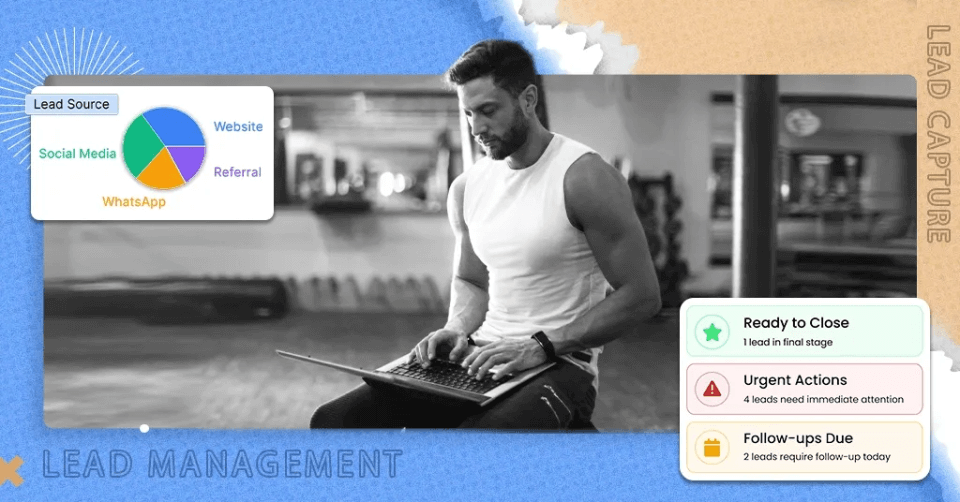
- CRM and lead nurturing tools to convert prospects into loyal members and grow faster than manual systems allow
- Real‑time analytics and attendance tracking to see what’s working and where to adjust plans
- Seamless payment processing and billing automation so you spend less time chasing invoices
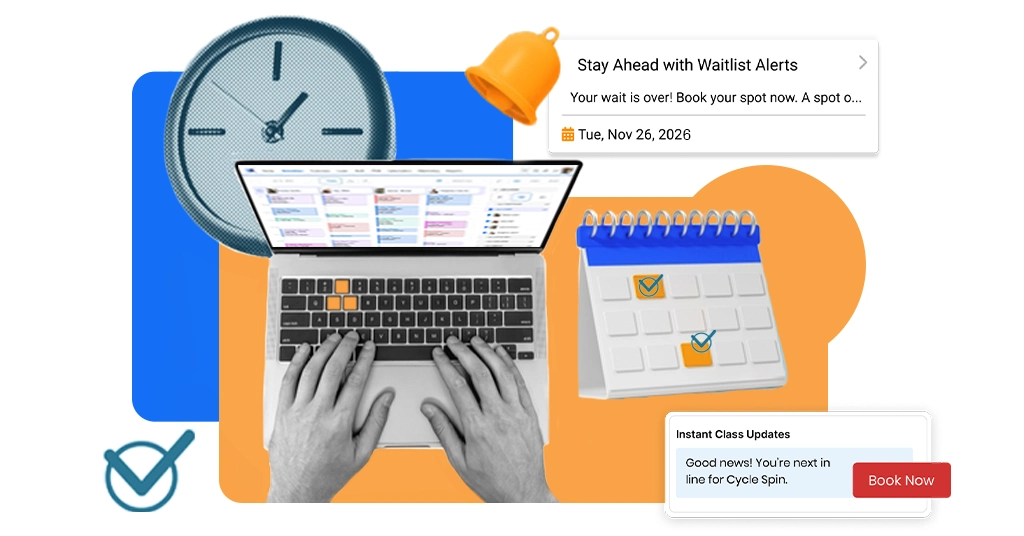
- Member‑centric experience with reminders, waitlists, and branded mobile app engagement
If you’re ready to stop juggling tools and start managing your Pilates studio like a pro, book a demo with GymRoute today, and turn your pricing strategy into real, scalable business growth.It also works well alongside a gym pricing and profitability guide that helps studio owners make better long-term pricing decisions.