Owning a gym isn’t just about passion for fitness; it’s about building a business that reliably generates income year after year. For many gym owners, $100,000+ in annual personal income is a key milestone. Yet too many gyms struggle to reach this threshold because they focus solely on workouts and classes instead of mastering the business levers that drive consistent revenue and profitability.
In this guide, we’ll break down the complete checklist every gym owner needs, from pricing and member retention to revenue diversification and smart operational practices, so you can grow your gym, stabilize cash flow, and build a business that funds your lifestyle and goals.
1. Get more clients: The foundation of growth
At its heart, a gym is a membership business. No members = no income. This section explains how to reliably bring in new prospects.
Build Reliable Lead Funnels
A lead funnel is a business process that takes someone from being unaware of your gym to becoming a paying member. It could be:
- Social media ads targeting fitness locals
- Referral programs where existing members bring friends
- Free trial passes or open house days
These methods help you turn your gym into a revenue-generating machine rather than relying on luck. When you consistently feed your funnel with prospects, you make it easier to predict revenue and growth.
📌 Why it matters: Without a steady flow of new potential members, your business will stagnate. Lead generation is the engine that powers gym growth.
2. Price for profit: Don’t sell yourself short
Many gym owners undercharge because they compare themselves to competitors instead of valuing what they offer. A proper pricing strategy makes a massive difference to your bottom line. Here’s how to optimize it:
Tiered pricing structures
Instead of one flat membership, consider different pricing levels, like:
- Basic Access
- Standard with group classes
- Premium with personal training
This lets you cater to different customer segments, from budget-minded clients to members willing to pay more for extra value. People choose the plan that fits their goals and budget.
📌 Why it matters: Tiered pricing increases the chance of upsells and boosts your average revenue per member without necessarily adding more members.
Introduce high-ticket services
High-value packages such as transformation programs, personal coaching, and nutrition plans can command premium prices. Even a few clients on these plans can add significant extra revenue annually.
📌 Why it matters: High-ticket services directly lift income because they’re priced far above basic memberships.
Regular price increases
Inflation, rising costs, and improved services justify occasional price increases. If done transparently, most members accept small annual price adjustments without leaving.
📌 Why it matters: Revenue grows even if your membership count stays the same.
3. Increase average revenue per member (ARPM)
This metric, the average amount each member spends per month, is one of the strongest levers for income growth.
Upselling add-ons
Upselling means offering additional services members might value, such as:
- Personal training
- Nutrition coaching
- Specialized workshops
Data shows tailored add-ons boost revenue because members who are already engaged are more willing to pay for extras that help them reach their goals.
📌 Why it matters: You don’t need more members; you just need current ones to spend more.
Specialized classes
Offering niche group fitness classes (e.g., HIIT, yoga, boxing) increases per-member spend and attracts members who are willing to pay a premium for expertise and community.
📌 Why it matters: People will pay more for structured, guided experiences than just open gym access.
4. Maximize retention: Keep members longer
Retaining members is far easier and cheaper than constantly acquiring new ones. And even small improvements in retention can dramatically improve profitability.
Why retention matters?
Most gyms lose 30–50% of their members annually. That means you’re always replacing a huge chunk of your customer base. Better member retention means:
- More stable income
- Lower marketing costs
- Higher member lifetime value
Even improving retention by 5% can increase profits by 25–95%, because existing members cost nothing to acquire and are easier to keep engaged.
Retention strategies
To boost retention, focus on:
- Regular communication to keep members engaged
- Personalized experiences (welcoming members by name, celebrating milestones)
- Community building (challenges, events, social meetups)
Engaged members tend to stay longer and refer friends, reducing the need to spend more on advertising.
📌 Why it matters: Loyal members are your most profitable assets; they spend more and stick around longer.
5. Diversify revenue: Don’t rely on membership alone
Gym membership dues are the foundation of revenue, but they’re not the whole story. Diversifying income protects you from market ups and downs.
Retail and merchandise
Selling gym-branded apparel, equipment, or supplements adds profitable product revenue. Items like T-shirts or water bottles can carry 30–70% profit margins.
📌 Why it matters: These sales add money without requiring more members.
Corporate wellness programs
Partner with local companies to provide wellness plans for employees. These often bring stable, recurring group income.
📌 Why it matters: With a corporate partnership, you tap into a larger pool of monthly revenue.
Online and virtual training
Digital classes, workout plans, or subscriptions open your services to non-local clients and create additional recurring revenue channels.
📌 Why it matters: You’re no longer limited by your physical gym’s capacity; this can dramatically scale income.
6. Use technology to your advantage
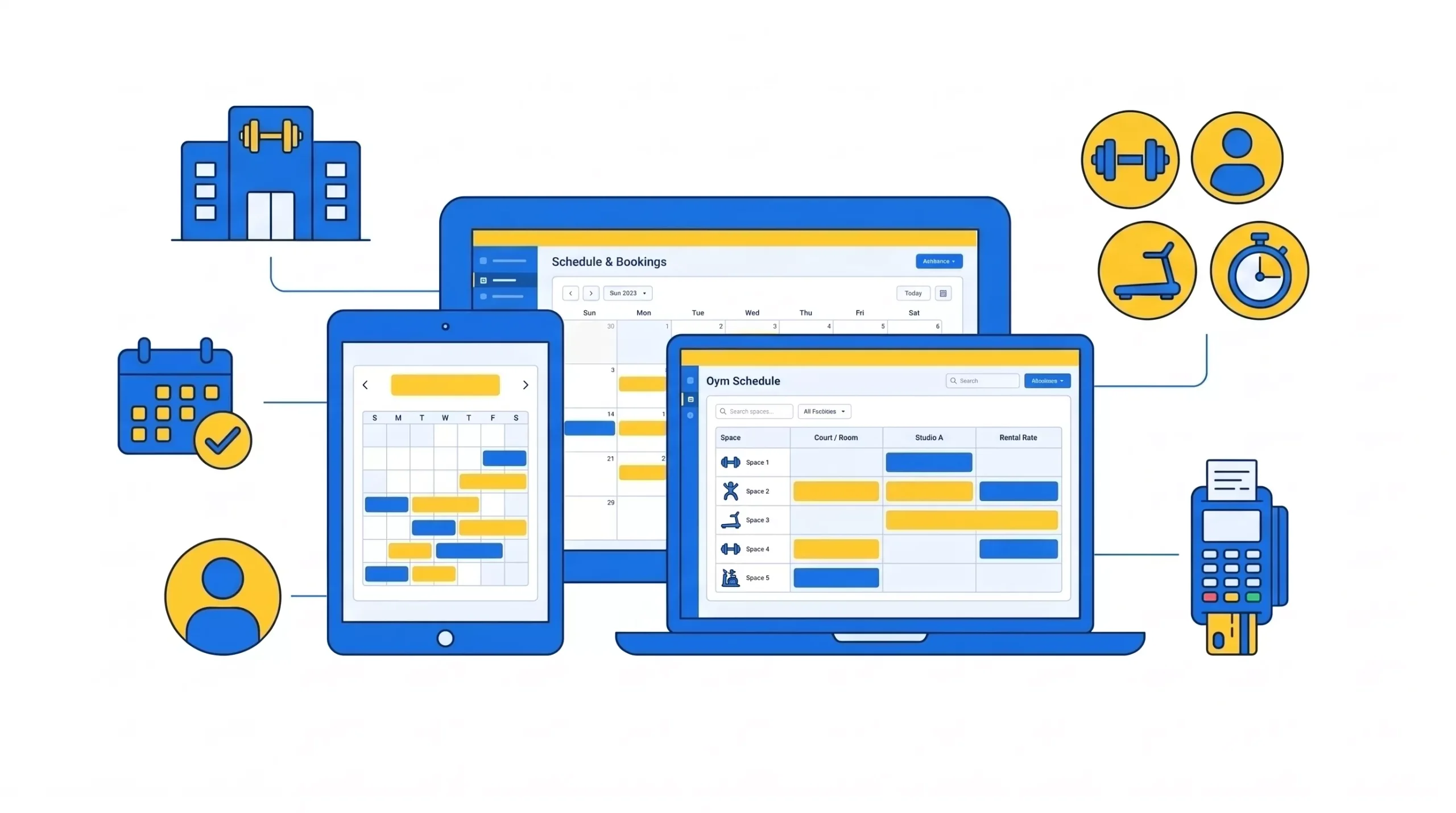
Machine-assisted systems aren’t toys; they’re tools that drive income and reduce workload. Modern gym management platforms help with:
- Billing and payments
- Scheduling classes and trainers
- Tracking attendance and revenue
- Automated communication with members
This reduces administrative burden and increases efficiency, freeing you up to focus on strategic growth.
Data and engagement tools
Software that tracks member behavior, like gym attendance or class popularity, helps you identify what’s working and what’s not. This means you can fine-tune your offerings and pricing for maximum profitability.
📌 Why it matters: Better data = smarter decisions.
7. Master your finances: You can’t improve what you don’t measure
Understanding your financial metrics is necessary for any business, and gyms are no exception. Here are key metrics every gym owner should track:
Average revenue per member (ARPM)
This tells you how much each member contributes each month financially. A rising ARPM indicates stronger revenue performance.
Member lifetime value (LTV)
LTV estimates how much a member will spend throughout their time with you. This helps you decide how much you can afford to spend on acquiring new members.
Customer acquisition cost (CAC)
This is the average cost of convincing a new member to join. You want your members’ lifetime value to be several times higher than CAC, so your business makes a profit.
📌 Why it matters: These financial indicators let you see what’s working, what’s not, and where to invest next.
8. Delegate and build a team
You can’t handle everything yourself, and you shouldn’t try. Delegating tasks allows you to focus on strategic growth:
- Hire or train staff for admin, sales, and customer service
- Empower trainers to upsell services when appropriate
- Create systems so your business runs even when you’re not there
📌 Why it matters: Time is your most valuable resource, and delegation makes your business scalable.
9. Build systems, not just effort
Strong businesses rely on repeatable systems, not ad-hoc efforts. This means:
- Clear sales and onboarding processes
- Standard operating procedures for staff
- Regular marketing calendars
Checklists and systems reduce mistakes, encourage consistency, and help new hires get up to speed quickly.
📌 Why it matters: Systems turn unpredictable efforts into predictable results.
10. Mindset shift, from trainer to CEO
Many gym owners start as trainers or fitness enthusiasts. But the gym’s success depends on business leadership, thinking strategically about pricing, marketing, finances, and growth.
This shift in mindset is crucial. It turns passion into profit.
📌 Why it matters: A strategic owner builds a sustainable business; a passionate trainer builds a passion project.
Actionable checklist: Your path to $100,000+
Here’s the core checklist you should follow month by month:
✔ Build and run at least two lead generation campaigns
✔ Implement tiered pricing and premium services
✔ Launch specialized classes and upsell add-ons
✔ Track and improve retention metrics
✔ Establish at least one revenue diversification stream
✔ Install or optimize your gym management software
✔ Review key financial KPIs monthly
✔ Delegate administrative tasks
✔ Train staff on sales and customer engagement
✔ Maintain systems and SOPs for all critical processes
Final thoughts
A gym that earns $100,000+ annually isn’t built by chance. It’s built by owners who:
- Understand their business metrics
- Price services for profit
- Keep members engaged and satisfied
- Diversify revenue streams
- Use technology wisely
This detailed framework makes your path to sustainable income clear, achievable, and focused on real business drivers, not guesswork.