Getting someone to sign up for a gym membership is just the start; keeping them engaged and active over time is where true success lies. Research shows that up to 60 % of new gym members stop attending within the first six months, and only around 20 % renew after a year without proper support. Structured onboarding makes a measurable difference: gyms with a defined onboarding process retain around 87 % of members after six months, compared with much lower rates for those without one.
Gym member onboarding process isn’t simply a tour of the facility. It’s a systematic welcome, education, and engagement strategy that helps members feel confident, connected, and clear about how to succeed with their goals. When done well, it leads to higher satisfaction, stronger habits, and longer membership duration, all of which boost your gym’s reputation and bottom line.
Across every type of gym, from large commercial clubs to boutique studios and specialised training facilities, a thoughtful onboarding journey ensures new members:
- Feel welcomed and informed from their very first visit.
- Understand how to use facilities, technology, and services effectively.
- Set realistic goals and track their progress.
- Build early connections with staff and community.
- Stay motivated, engaged, and supported well beyond the first few weeks.
This guide breaks down onboarding into five essential parts, each designed to help gyms create a seamless, data‑driven member experience that drives long‑term retention and satisfaction.
Welcome and orientation
The first impression a gym makes deeply influences whether a new member thrives or fades away. Data shows that about 60 % of new gym members will drop out within the first six months if they lack structured support, and only around 20 % renew after the first year without effective engagement. This reality isn’t inevitable; gyms that implement thoughtful onboarding see retention rates climb dramatically, with some reporting up to 87 % of members remaining active six months later.
Welcome and orientation are where that improvement begins. This first part of the onboarding guide explains what to include, why it matters, and how to design an effective process that gives new members clarity, confidence, and motivation from day one.
Why is onboarding a retention engine?
Before diving into the how‑to, it helps to understand why onboarding matters so much.
Retention starts on day one
When new members join, they’re motivated but often unsure of where to begin. Confusion, uncertainty about equipment, and not knowing how programs work are among the top reasons people stop attending soon after joining. Structured onboarding combats this by reducing anxiety and providing clear direction.
Here’s what the data tells us:
- Gyms with personalized onboarding programs see retention rates increase by up to 25 % compared to those without.
- A well‑executed orientation boosts early engagement, laying the foundation for long‑term habits.
- Personal training sessions, often a core part of onboarding, can improve retention by up to 50 %.
The financial impact adds up: retaining existing members is five to seven times less expensive than acquiring new ones. This makes the investment in onboarding not just beneficial for members, but it’s a sound business strategy.
A structured welcome
A new member’s onboarding should feel intentional and supportive. Here’s how to structure the welcome phase so it leaves a strong first impression:
Welcome messaging
As soon as someone signs up:
- Send a personalized welcome email or message within 24 hours.
- Include key details: gym hours, how to book classes, first orientation session info, and contact points for help.
- Use positive language that reinforces why they joined and what they can achieve.
Automated systems (email, SMS, or app notifications) can help scale this without losing the personal feel. Members who receive regular, relevant communication are more likely to stay engaged.
Orientation scheduling
Offer multiple options for orientation sessions to suit different schedules. Ideally, orientation should occur within the first week of joining. This accomplishes several goals:
- Familiarises members with the space and equipment.
- Introduces them to key staff and trainers.
- Reduces intimidation or hesitation to return.
Orientation isn’t just a tour; it’s a relationship‑building opportunity. When staff take time to engage new members personally, it creates familiarity and trust.
Pro tip: Train staff to ask questions like: What are your goals? Have you used similar gyms before? These open‑ended queries encourage members to share their intentions and create space for personalized guidance.
What should a comprehensive orientation include?
Not all orientations are created equal. Below is a breakdown of elements every effective onboarding should cover:
Facility tour and layout
Show members:
- Workout zones (cardio, strength, functional areas)
- Studio spaces for classes
- Recovery or wellness areas (sauna, stretch zones)
- Restrooms, lockers, and shower areas
A physical tour eliminates uncertainty and increases confidence. Knowing where things are reduces friction, which in turn makes it easier for members just to show up.
Staff introductions
Introduce new members to:
- Front desk staff
- Training floor staff
- Group class instructors
- Available coaches
When members know the human faces behind the workouts, they feel supported and seen. This social connection makes gyms feel less anonymous and more welcoming.
Equipment orientation
Walk members through:
- How to use cardio machines safely
- Proper form, adjustments, and settings on strength equipment
- How to warm up and stretch effectively
This builds competence and reduces the fear or intimidation many new members feel, especially beginners
App and booking tutorial
Modern gyms rely on digital tools for scheduling classes, tracking progress, and sending reminders. Show members how to:
- Book group classes
- Reserve personal training sessions
- Check schedules and updates
- Log workouts or track progress
Members who use these tools visit the gym more consistently, with tech adoption correlating to higher engagement and retention.
Immediate post‑orientation touchpoints
Orientation doesn’t end when the tour finishes. Follow‑up interactions reinforce value and encourage early habit formation.
Positive reinforcement within 3 days
Send a brief message thanking them again, reminding them of their goals, and inviting them to their next activity. This simple step boosts connection and reminds members why they joined in the first place.
First week check‑in
A quick check‑in, whether via SMS, app, or a brief phone call, can uncover obstacles early (schedule conflicts, confusion about routines, etc.). Early resolution prevents drop‑off before it starts.
Expert tips for welcoming new members
Use segmentation where possible
If your system allows it, tailor communications based on member goals (weight loss, strength building, wellness, etc.). Personalized messages perform significantly better than one‑size‑fits‑all blasts.
Train staff on emotional intelligence
Members often remember how they were treated more than what they were told. Staff who listen, empathise, and encourage create an environment where members feel valued, not just serviced.
Set expectations clearly
Communicate what members should expect next: their orientation, follow‑up schedule, and how the gym will support them. Clarity reduces anxiety and sets a predictable roadmap for engagement.
Facility and program walkthrough
When a new member joins your gym, excitement and uncertainty often arrive together. They want to get started, but many don’t know how or where to begin. This gap between intention and action is a leading cause of early disengagement: data shows that members who are unclear about a facility’s layout, programs, or how to use equipment are far more likely to drop out within the first few months. The solution? A structured facility and program walkthrough that transforms uncertainty into confidence.
A detailed walkthrough builds early competence, reduces intimidation, and creates a roadmap for members to engage meaningfully with your services. When members know where to go and what to do, they’re far more likely to show up regularly, and regular attendance predicts long‑term retention.
This section breaks down how to create an onboarding experience that covers facility orientation, equipment familiarisation, program introduction, tech adoption, safety, and etiquette, all critical elements of a high‑value onboarding journey.
The first Walkthrough
The moment a new member steps through your doors, they begin forming opinions that influence their long‑term commitment. A well‑structured first walkthrough communicates professionalism, care, and clarity, and signals that their success matters. Studies show that new members who go through a structured onboarding process are significantly more likely to stay active at least six months compared to those who don’t.
From the outset, aim to reduce uncertainty. Most newcomers are unfamiliar with gym layouts and equipment, and many feel intimidated by the sheer number of machines or class options. A guided walkthrough empowers them with knowledge and sets the tone for ongoing engagement.
Objectives of a Walkthrough
A comprehensive facility walkthrough should:
- Orient members to physical spaces (cardio, strength, studios, recovery zones, etc.)
- Introduce key programs (group classes, training options, specialised offerings)
- Demonstrate equipment use with confidence and safety
- Explain booking systems and digital tools
- Set expectations for behaviour and etiquette
Each of these elements transforms potential barriers into familiar, approachable experiences.
Facility orientation
A quality facility orientation goes beyond pointing out equipment. It’s about contextual understanding, helping members see how spaces and tools support their goals.
Mapping the gym zones
Begin with a systematic tour of your physical layout. Walk members through:
- Cardio areas: Treadmills, bikes, rowing machines, ellipticals
- Strength and resistance zones: Free weights, plate‑loaded machines, cable systems
- Functional training spaces: Rigs, battle ropes, kettlebells, TRX
- Studio rooms: Yoga, HIIT, Pilates, spinning
- Wellness spaces: Stretch zones, recovery lounges, sauna/steam rooms (if available)
- Support areas: Lockers, showers, restrooms, kids’ zones
Be intentional. Don’t just show the space, explain the purpose of each area and how members can use them to build routines.
Pro tip: Personalize the tour to new members’ goals. If someone is interested in strength training, spend extra time in the weight room and explain warm‑up recommendations and progression principles.
Meet the team
Introduce new members to the staff they’ll interact with most: trainers, class instructors, and front desk personnel. Human connection fosters belonging, and members who feel recognised are more likely to engage. Simply putting a face to a name builds comfort and encourages questions.
This personal touch also allows staff to gauge the member’s familiarity level and tailor explanations accordingly.
Equipment walkthrough
Most new gym members feel overwhelmed by equipment, especially free weights and machines they’ve never used before. That’s why equipment orientation is a cornerstone of effective onboarding.
Guided demonstrations
Take time to show:
- How to adjust machines properly for height, weight settings, and safety pins
- Proper form basics for common movements (e.g., bench press, squat variations, etc.)
- Warm‑up routines suitable for cardio and strength sessions
- How to transition between stations in a safe and efficient flow
Unsupervised use of unfamiliar equipment can not only intimidate but also lead to improper use and potential injury. A guided orientation prevents both outcomes.
Addressing common fear and hesitation
Intimidation often stems from uncertainty. Small actions like showing how to load plates, adjust cables, or position grips can significantly boost confidence. Visual aids or QR codes near machines that link to short instructional videos enhance this further, making learning both self‑paced and consistent.
Program introduction
Orientation isn’t complete without showing members how to engage with your programs, from classes to personal training and digital offerings.
Group classes
Explain:
- Class schedules
- Intensity levels
- Which class is best for who
- How to book via app or front desk
Group classes are linked to higher adherence because they build routine and community simultaneously. Members who participate in classes early are more likely to become regulars, and community ties are a strong retention factor.
Personal training and assessments
Introduce personal training options and explain how assessments work (body composition tests, goal mapping, etc.). Even if members don’t commit immediately, knowing the value of personalized support increases their perception of your gym’s commitment to their success.
Workshops and ongoing learning
Highlight opportunities like nutrition workshops, form clinics, and wellness seminars. These add value and encourage habitual engagement beyond routine workouts. Members who feel they learn something new are more likely to return regularly.
Technology onboarding
Modern members expect digital convenience. A strong facility walkthrough includes tech orientation, demonstrating apps, booking platforms, and digital tools that streamline gym use.
Booking systems
Walk members through how to reserve classes, training sessions, and events, and show them how reminders and cancellations work.
Progress tracking
If your gym app offers progress tracking, show members how to:
- Log workouts
- Track attendance
- Set and monitor goals
Tech‑enabled engagement not only boosts usage but also provides data you can use to tailor future communications and recommendations.
Self‑service tools
Introduce self‑service kiosks, digital check‑ins, or QR codes that provide instant access to workout tips and schedules. These options increase autonomy and reduce friction for members who prefer minimal staff interaction.
Safety, etiquette and expectations
Clarity around safety and etiquette ensures members feel protected and that other gym users respect shared spaces.
Safety protocols
- How to adjust and rack weights correctly
- When to ask for assistance
- Emergency procedures and first‑aid station locations
Gym etiquette
- Wiping down equipment
- Sharing stations during busy hours
- Appropriate use of music, phone calls, and personal space
Saying that “this is how we do things here” early helps prevent frustration and promotes a comfortable environment for everyone.
Follow‑up touchpoints
The walkthrough shouldn’t be a one‑off experience. Follow‑ups solidify information and encourage ongoing engagement:
- Day‑2 message: Summary of what was covered plus class suggestions.
- End‑of‑week check‑in: Ask about clarity and comfort levels.
- Two‑week touchpoint: Recommend specific programs based on initial attendance.
Structured follow‑ups keep onboarding alive, reinforcing what they learned and progressively building confidence.
Personal goal setting
When new members join a gym, they bring a range of hopes: to lose weight, gain strength, feel healthier, or simply feel more confident in their bodies. But without a clear plan, motivation rarely translates into long‑term action. Personal goal setting is the bridge between good intentions and consistent results.
A structured goal‑setting process helps members define what matters most, make measurable progress, and stay committed. It gives them a roadmap that turns:
“I want to get fitter.”
into
“I will work out three times per week and track progress weekly for the next 12 weeks.”
And that matters: members who experience measurable progress and feel supported in achieving their goals are significantly more likely to stay with a gym longer. In fact, 65 % of new members report feeling more committed after personalized goal setting during onboarding, a powerful early retention boost.
This chapter breaks down how to help members set effective goals, track their progress, use accountability tools, and align fitness outcomes with their deeper motivations, building confidence and consistency from the outset.
Why is goal setting critical to retention and engagement?
Without direction, even motivated members can become unsure what to do next, leading to frustration or loss of momentum. Psychology research shows that clear goals provide purpose and direction, creating benchmarks by which success and progress can be measured. Regular monitoring of progress increases accountability and motivation.
In the context of a gym membership:
- Goals help members stay focused beyond the first few visits.
- They turn subjective desires (“get fitter”) into defined outcomes that can be measured.
- Tracking progress creates a sense of accomplishment, which strengthens habit formation and gym attendance.
When members see tangible progress, whether it’s increased reps, lost weight, or improved endurance, they feel rewarded. Reward signals reinforce behaviour, making members more likely to stick with their routines and renew their memberships.
The SMART framework for practical fitness goals
One of the most effective ways to structure goals is the SMART framework:
- Specific: pinpoint exactly what the member wants to achieve.
- Measurable: define success in terms that can be tracked.
- Achievable: set goals that are realistic but challenging.
- Relevant: link goals to what truly matters for the member’s life.
- Time‑bound: assign a deadline to increase focus and urgency.
This framework sharpens the goal‑setting conversation and avoids vague outcomes that are hard to follow. For example:
- Vague: “I want to be healthier.”
- SMART: “I want to complete three 45‑minute workouts per week for the next 12 weeks to improve endurance and lose 5 kg.”
A goal like this gives members something they can measure and act on weekly, a key driver of consistency.
Starting strong
An effective goal‑setting session should be part of the onboarding experience itself. This conversation often takes place with a personal trainer or coach during the first week of membership and can include:
a. Exploring motivation and meaning
Ask members why they joined. Understanding what they personally value, whether that’s fitness for health, strength, confidence, or mental wellbeing, helps tailor goals that resonate deeply. This prevents generic targets and increases intrinsic motivation (doing something because it matters to them).
b. Balancing short‑term and long‑term aims
Break goals into two layers:
- Short‑term: actions over the next 4–12 weeks (e.g., attend three classes weekly).
- Long‑term: broader outcomes extending over months (e.g., reach a healthy body composition or complete a fitness challenge).
This layered approach makes progress feel both immediate and meaningful.
Tracking progress
Progress tracking turns subjective effort into objective data. Members who monitor progress are significantly more likely to stay engaged, and digital tools make this easier than ever. Gyms can encourage tracking in the following ways:
a. Gym app and digital tools
Modern gym apps allow members to log workouts, track key metrics (like weight lifted, cardio performance, body measurements), and visualise progress over time. Members onboarding in gym management software regularly use these features, and feel more connected to their progress and the gym community.
b. Regular check‑ins and progress reviews
Schedule check‑in sessions (weekly or bi‑weekly) to review progress, adjust goals, or celebrate milestones. These touchpoints signal support, reinforce commitment, and keep members accountable.
c. Milestone celebrations
Recognising milestones, whether it’s improved performance or consistency streaks, fosters positive reinforcement and boosts confidence. Celebrations can be part of emails, app badges, or small rewards.
Accountability structures
Accountability increases action. Members who feel answerable for their goals, whether to themselves, trainers, or peers, are far more likely to follow through.
a. Trainer partnerships
Trainer support adds purpose and structure. Members with regular trainer check‑ins tend to attend more consistently, feel progress more tangibly, and renew their memberships at higher rates.
b. Peer and community structures
Buddy systems, group goals, and accountability partners create social pressure and support. Members training with others, or within group classes, often show better attendance and are less likely to drop out.
c. Personal accountability tools
Encourage members to use journals, workout trackers, or digital reminders. These tools help members take ownership of their routines and stay focused even outside the gym environment.
Adaptive goal‑setting
Fitness isn’t static. As members progress, their goals should evolve too. Periodic re‑evaluation helps:
- Adjust targets based on progress (e.g., new personal records).
- Realign expectations after overcoming plateaus.
- Introduce new challenges to sustain motivation.
Encouraging members to revisit their goals quarterly, or after every milestone, embeds flexibility and prevents stagnation.
Expert tips to boost goal‑setting success
- Personalize context: Generic goals are less motivating than those tied to personal meaning. Ask members about lifestyle, challenges, and personal motivations.
- Start with “why”: Knowing why someone cares increases commitment beyond just hitting metrics.
- Include habit goals: Not all goals need big outcomes. Smaller habit goals (like attending a class three times per week) build consistency, and consistency builds results.
- Reframe plateaus: Plateaus aren’t failures. Use them as opportunities to celebrate persistence and redefine strategy.
Community and engagement
One of the most consistent predictors of gym member retention isn’t exercise equipment, hours, or pricing; it’s social connection and engagement. When members feel they are part of a community rather than just paying for a service, they show up more often, stay longer, and advocate for your gym. In fact, 70 % of gym members say the social environment and sense of community influence their decision to stay. Meanwhile, 52 % cite community and group activities as a major reason they remain active.
This section explores why community matters, how engagement drives behaviour, and practical ways gyms can create strong, inclusive, and rewarding member experiences that extend far beyond workouts, ultimately turning casual members into loyal advocates.
Why are community and engagement core retention drivers?
At its heart, fitness is social. Human beings are wired for connection, and that’s true inside the gym too. Research shows that members who feel connected to others in the community are three times more likely to stay long‑term than those who don’t.
Here’s how community influences retention:
- Support and accountability: Members are more likely to attend regularly if they train with friends or feel expected by a group.
- Motivation on low‑drive days: When enthusiasm slips, community ties provide reasons to show up, “I don’t want to miss this with the group.”
- Social validation: Celebrating others’ progress and sharing achievements creates a positive feedback loop that reinforces participation.
- Emotional belonging: A welcoming environment makes fitness attendance part of a member’s lifestyle, not just a task on a to‑do list.
Real-world stats back this up: members who participate in group fitness classes are 56 % more likely to stay than those who work out alone, and members who feel part of a community are three times more likely to maintain memberships long‑term.
These outcomes aren’t accidental; they’re built through intentional engagement systems that integrate social interaction into the member journey.
Building a community culture from day one
A. Encourage early interaction
Onboarding shouldn’t end with documents and facility tours. Members need structured opportunities to meet others. Host “new member mixers” or informal group orientations where people can connect around shared goals. This builds initial bonds that increasingly connect members to your gym long‑term.
B. Use group classes as community hubs
Group classes are more than workouts; they’re social anchors.
Data shows that members attending at least one class weekly are far more likely to remain active for a year or longer.
- Offer a variety of group formats, strength, yoga, HIIT, mobility, and dance, so members can find communities that feel right for them.
- Create cohort classes (e.g., “Beginner Bootcamp – 8 Weeks”) so members train with the same peers over time.
Members who exercise together develop shared experiences and implicit social contracts: “I’ll be there because my group expects me.” This powerful psychological effect significantly reduces churn.
Engagement beyond the gym floor
A. Events and social activities
Think beyond workouts. Organising social activities, like nutrition workshops, member challenges, charity fitness events, or casual meetups, adds fun, purpose, and a deeper connection. Members who attend events tend to stay longer and form stronger relationships with both peers and staff.
Creative ideas include:
- Monthly fitness challenges with small rewards or recognition
- Member celebration parties for milestones (100th class, anniversaries)
- Outdoor group activities, hiking, runs, and bike rides
- Wellness seminars on stress, sleep, or nutrition
These activities contribute to shared identity, turning individual gym goers into a collective. Members start thinking of the gym as their community, not just a fitness centre.
B. Online community platforms
The social dimension doesn’t end at the gym door. Many gyms use online groups (apps, social media, chat forums) to maintain connection 24/7, where members can:
- Share progress and photos
- Ask questions or request tips
- Cheer each other on
- Sign up for events and classes
Digital interaction fills gaps between visits, gives members social presence even on rest days, and keeps your gym top‑of‑mind throughout the week.
Personalization and recognition
Personalization deepens emotional connection, and community thrives on individuals being seen and acknowledged. Instead of treating members as faceless accounts, build moments that recognise their journey.
A. Celebrate milestones publicly
Whether a member completes 10 classes or hits a personal record, celebrate it on digital boards, social accounts, or newsletters. These recognitions:
- Increase visibility of success
- Encourage others
- Reinforce effort and progress
Recognition doesn’t have to be material; heartfelt acknowledgment goes a long way.
B. Tailored communication and engagement paths
Use simple segmentation to send targeted messages:
- “Hey, you’ve hit 5 workouts this month, awesome!”
- “Join others in Wednesday’s evening HIIT class!”
Personalized touchpoints based on behaviour and preferences make interactions feel relevant and valued, fostering stronger relationships.
Feedback, Listening, and Continuous Improvement
Community thrives when members feel heard. Regular feedback loops serve two purposes:
- They give members a voice, showing you value their perspective.
- They provide invaluable input to refine experiences.
Methods include:
- Short periodic surveys
- Suggestion boxes
- One‑on‑one check‑ins from staff
- Polls on digital platforms
Acting on feedback and communicating changes back to members signals respect and responsiveness. This cycle of listening, acting, and reporting back strengthens trust and belonging.
Community programs that drive habits and loyalty
A. Member challenges and competitions
Structured fitness challenges, like step goals, strength targets, or attendance streaks, give members collective goals to strive for together. Participation in challenges increases retention by encouraging regular engagement and social interaction around shared objectives.
B. Peer support and buddy systems
Pairing new members with community ambassadors or training partners amplifies belonging. Social accountability (e.g., “my buddy is expecting me”) dramatically increases attendance consistency.
C. Referral and ambassador programs
When existing members refer to friends, retention tends to improve because new members join with social ties already formed. Structured referral incentives reward both the referrer and the new member, embedding community growth into your membership ecosystem.
Training staff as community builders
Your staff aren’t just instructors or front desk personnel, they’re culture catalysts. Members are more likely to stay when they interact meaningfully with staff who:
- Greet them by name
- Know their goals and preferences
- Suggest relevant classes or community activities
- Follow up after events or absences
Two positive staff interactions per month can increase member visits and deepen belonging.
Empower your instructors and team to do more than teach workouts; equip them to be community leaders who help members connect, feel seen, and stay motivated.
Feedback and long‑term retention
Building a great onboarding experience and fostering early engagement are essential steps, but they are only the beginning. To ensure members stay with your gym long‑term, you must continually listen, adapt, and reinforce the experience. This final part of the guide focuses on how to gather feedback, act on it, and embed long‑term retention strategies into every interaction with your members.
According to industry data, the average gym membership retention rate is around 67 % after one year. As many as 60 % of new members drop out within six months without strong engagement practices in place. However, gyms that implement systematic feedback loops, personalized communication, and proactive re‑engagement see significantly higher retention, including up to 25 % higher through personalized onboarding and engagement strategies. Structured feedback surveys alone can improve member retention by roughly 19 %.
Why is feedback a pillar of long‑term retention?
Feedback is more than just asking “How’s your experience?” It’s about showing members that their voice matters, that the gym cares about their experience, and that their input leads to real change. Members who feel heard and valued are emotionally invested in the gym’s success, and their own.
Creating a feedback‑centric culture serves several functions:
- Early detection of issues: Feedback reveals barriers before they lead to cancellation.
- Member empowerment: Members feel ownership in shaping their experience.
- Continuous improvement: Data from feedback directly informs operational decisions.
- Trust building: Acting on member suggestions strengthens relationships.
The result? Members stick around longer, feel more satisfied, and are more likely to recommend your gym to others.
Designing feedback systems that work
To collect meaningful feedback without overwhelming members, use a combination of quantitative and qualitative methods:
a. Short periodic surveys
Send brief surveys at key milestones:
- After onboarding completion
- At the 1‑month and 3‑month marks
- Mid‑membership (6–9 months)
These surveys can include a mix of ratings and open‑ended questions that help you understand experience gaps and successes.
Best Practice: Keep surveys short (5 questions or fewer) to maximize participation. Include one open question like “What’s one thing we could improve?” to collect rich insights.
b. Net promoter score (NPS)
NPS asks one simple question, “How likely are you to recommend us?” and categorises responses into promoters, passives, and detractors. This metric helps you assess overall member sentiment and benchmark progress over time.
c. In‑gym feedback touchpoints
Not all feedback needs to be digital. Encourage staff to check in with members during workouts or classes, asking quick questions like, “How’s your experience this week?” These informal chats often reveal insights that surveys miss and build rapport at the same time.
d. Suggestion channels
Provide low‑effort options like suggestion boxes, app feedback forms, or SMS check‑in prompts. The easier it is for members to share, the more feedback you’ll receive.
Acting on feedback
Collecting feedback is only half the job; acting on it is where retention impact happens.
a. Prioritise and communicate action
Analyse feedback to identify recurring themes (e.g., class timing issues, equipment requests) and prioritise actionable areas. Then share outcomes with your members: “You asked for more early‑morning classes, here’s what we’ve added.” This shows responsiveness and builds trust.
Pro tip: Create a “You Asked, We Listened” board or email series so members see how their input shapes improvements.
b. Tailored member responses
When feedback is specific to a member (e.g., discomfort with a machine or class), respond personally. A follow‑up message saying, “We’ve addressed your concern. How is it now?” can make members feel seen and valued.
c. Feedback loops with staff
Share feedback regularly with trainers, front desk teams, and instructors. Monthly team reviews help staff understand opportunities for improvement and celebrate areas where members are most satisfied.
Retention through proactive engagement
Long‑term retention isn’t just reactive, it’s proactive. Using member data, preferences, and engagement patterns, you can anticipate needs and intervene before churn happens.
a. Tracking attendance patterns
Members who have irregular attendance or drop off suddenly are at risk of cancellation. Set up alerts for unusual patterns (e.g., no visits in 2–3 weeks) and follow up with supportive messages like: “We noticed you haven’t been in, how can we help you get back on track?”
b. Personalized communication
Segment members by behaviour, goals, and preferences, then tailor communications accordingly. For example:
- Members who engage with yoga classes can receive yoga‑specific content and class suggestions.
- Those who haven’t visited in a while might get motivational messages, event invites, or free guest passes.
Personalization increases relevance and engagement, with gym marketing research showing that tailored messaging significantly boosts member responsiveness.
Recognition and reward systems
Reward programs are a practical long‑term engagement tool that reinforces positive behaviour and gives members something to work toward.
a. Milestone celebrations
Recognise achievements like 100th visit, 6‑month milestone, or class completion streaks. Sending a congratulatory email, social media shoutout, or small reward (water bottle, branded gear) makes members feel appreciated and valued.
b. Attendance rewards
Offer points, badges, or perks for consistent attendance, participation, or goal milestones. This gamification taps into behavioural psychology, making fitness feel more rewarding and encouraging consistency.
c. Referral and loyalty incentives
Referral programs incentivise existing members to bring friends, which not only brings new business but also strengthens existing members’ ties to the gym. Loyalty discounts on renewals or services also reduce churn, as members see tangible value in staying.
Continuous improvement and member experience design
Retention is an ongoing journey, not a single campaign. Your gym’s long‑term strategy should include regular evaluation and refinement of offerings and experiences.
a. Annual experience reviews
Review class offerings, facility updates, training programs, and member satisfaction annually. Are there gaps? Are some programs underperforming? Data from feedback surveys and attendance trends will guide decisions.
b. Flexible membership options
Offering flexible membership plans (monthly, freeze options, tiered access) accommodates changing lifestyles and reduces cancellations due to financial or schedule conflicts. Flexibility is increasingly important for members juggling work, family, or travel.
c. Evolving communication plans
Retain engagement even when members are not on the gym floor. Regular newsletters, tips, event invites, and motivational content keep your gym top‑of‑mind and maintain an emotional connection.
How can gym software help the whole onboarding and retention process?
Integrating the right gym management software into your onboarding and retention strategy isn’t just a convenience; it amplifies everything you’ve built in this guide. A robust gym software platform supports every stage of the member journey: from seamless onboarding and automated engagement to personalized communication and long‑term satisfaction.
Here’s how software contributes across the process:
1. Streamlined onboarding and scheduling
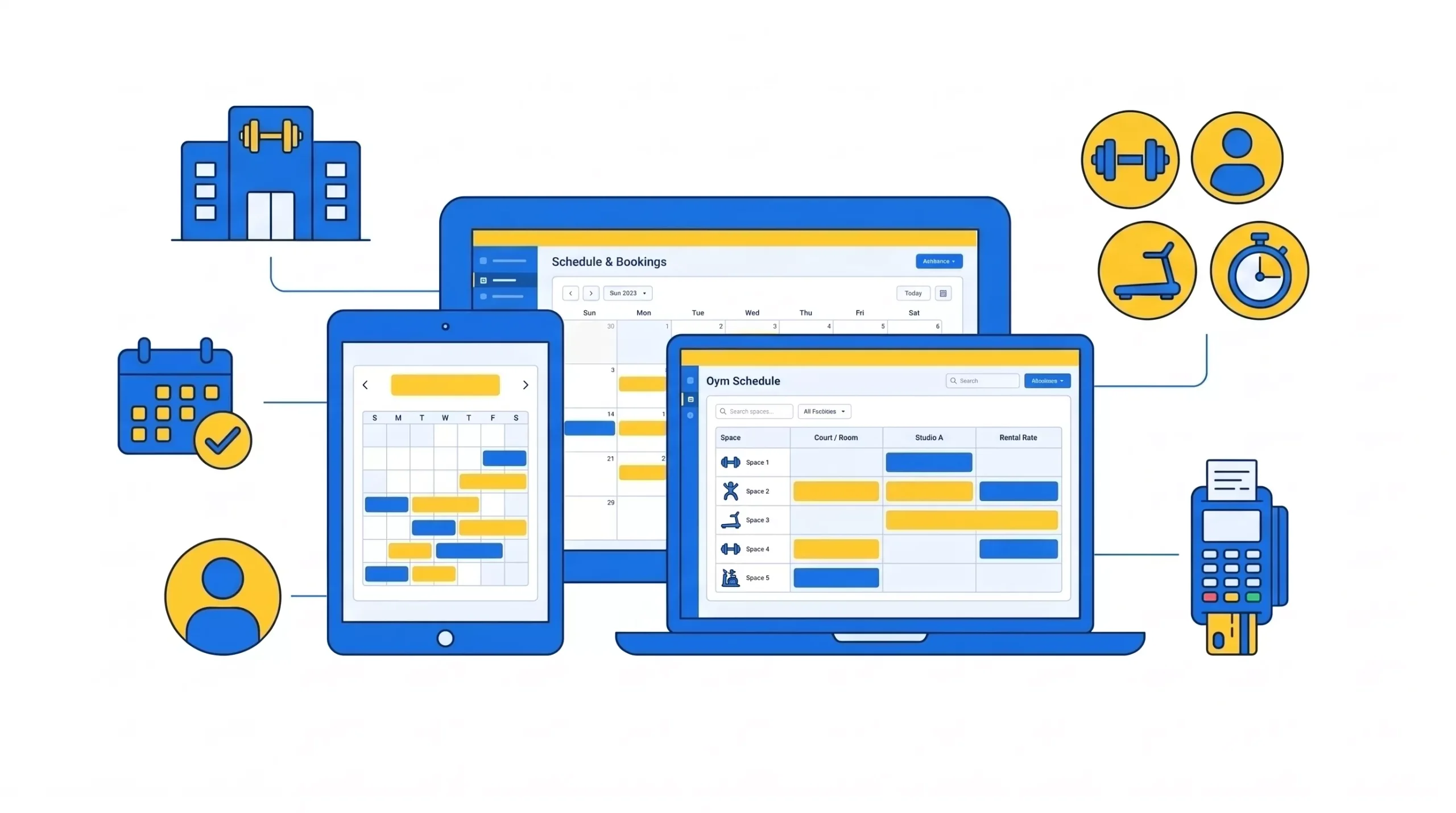
Modern gym software automates class scheduling, bookings, and orientation appointments, making the initial experience frictionless. Members can sign up for orientation, reserve classes, and manage their schedule directly through a mobile app or portal, reducing confusion and boosting first‑week engagement. Automated reminders cut no‑shows and make sure new members show up for the sessions that matter.
2. Centralized member data and personalization
A gym platform stores member profiles, attendance history, preferences, and goals in a centralized CRM. This data lets you segment members and send personalized messages, whether it’s celebrating milestones, promoting classes that align with a person’s goals, or nudging someone who hasn’t visited recently. Personalized communication enhances engagement and makes members feel seen.
3. Better communication and engagement
Automated email, SMS, and push notifications improve communication at scale. Software lets you send welcome sequences, progress reminders, event invites, and feedback requests without manual effort. These consistent touchpoints help keep members connected and engaged long after onboarding.
4. Community and feedback tools
Some platforms include community features, member forums, challenge tracking, or social posting, which extend interaction beyond the gym floor. Built-in feedback tools (surveys and satisfaction forms) make it easy to gather and act on member input, reducing churn and showing members that their opinions matter.
5. Automated renewals, billing and retention insights
Software can automate billing, renewals, payment reminders, and flexible freeze options, reducing lapses due to administrative friction. Analytics dashboards show patterns in attendance, cancellations, and engagement, helping you identify at‑risk members early and take proactive steps to retain them.
In essence, gym software turns manual processes into smart, data‑driven systems that free up staff time and empower your team to focus on what matters most: building relationships, delivering value, and keeping members engaged.
Scale your onboarding and retention with GymRoute
If you want a gym platform that supports seamless scheduling, automated reminders, easy member self‑service, and powerful reporting, GymRoute is designed to help you grow membership and increase retention without the admin burden. With class booking, mobile app access, waitlists, and real‑time visibility for members and staff, GymRoute enhances every part of the onboarding and engagement lifecycle.
Explore GymRoute today, and make your onboarding process smarter, smoother, and more effective.
Bringing it all together
Effective onboarding, sustained engagement, and long‑term retention aren’t accidental; they’re designed experiences. Throughout this guide, you’ve explored how these components create more than a checklist; they form a relationship framework that helps members feel valued, understood, and supported. A thoughtful onboarding and retention system doesn’t just reduce cancellations or improve metrics; it deepens the human connection between members and your gym, and that’s what keeps people coming back.
When you combine these strategies with the right tools, including gym software like GymRoute that automates touchpoints, enhances communication, and gives actionable insights, you create a membership experience that’s engaging, responsive, and built to last. You can also check our gym management software comparison guide to select the right software and make better decision at your facility.
The result? More satisfied members, a stronger community, and a healthier, more sustainable gym business.